
Crafting the Blueprint: Introduction to Political Marketing in New York
The Unique Landscape of New York Politics
New York’s political landscape is as diverse as its population, presenting a unique challenge for candidates seeking to reach their target audience. Urban and rural areas each carry distinct voting priorities, requiring carefully tailored political marketing strategies to address varied demographic concerns. New York’s electorate is known for its active participation, presenting both the opportunity and the need for innovative campaign strategies. Meeting this complexity means crafting messages that resonate across cultural, economic, and geographical boundaries, ensuring candidates can engage effectively with this multifaceted voter base.
Importance of Tailored Campaign Strategies
In political marketing, one-size-fits-all campaigns consistently fall short. Tailored campaigns that speak directly to specific community needs and concerns are essential for earning voter trust. A focus on political marketing in New York ensures messaging aligns with local policy issues and cultural factors. By personalizing campaign strategies, candidates demonstrate a genuine understanding and respect for community values, strengthening voter confidence and engagement. This approach not only helps candidates address local issues more effectively but also improves their overall campaign performance.
Leveraging Local Insights for Maximum Impact
Successfully operating within New York’s political landscape requires a keen understanding of local trends and community dynamics. Engaging with established community leaders and influencers provides invaluable insight into voter behavior patterns and local concerns. By acting on these insights, campaigns can strategically position their messaging and initiatives for greater effect. Drawing on local knowledge not only strengthens political campaigns but also ensures candidates remain relevant and relatable to the electorate.
1 – Digital Domination: The Role of Social Media in Political Campaigns
Harnessing Social Media Influence
Social media has become an essential component of modern political campaigns. Social media marketing services allow candidates to engage directly with voters, building authentic connections and maintaining a consistent presence. Platforms like Facebook, Twitter, and Instagram offer dynamic avenues for candidates to share messages, respond to voter concerns, and clarify their political positions. This level of direct engagement helps build the authenticity and transparency that today’s electorate highly values.
Effective Campaign Messaging on Social Platforms
Crafting effective campaign messaging on social platforms requires a strategic approach. Content should be concise, relatable, and tailored to each platform’s specific audience. Messages that evoke emotion and inspire action generate stronger engagement, as does multimedia content such as videos and infographics. Consistent posting and active engagement help maintain voter interest, keeping the candidate’s message top of mind. Strong social media messaging can shift public opinion and meaningfully impact voter turnout.
Targeted Voter Outreach through Digital Channels
Targeted voter outreach on digital platforms enables candidates to connect with distinct voter segments, including young voters, minority communities, and undecided individuals. By applying data analytics, campaigns can tailor ads and content to specific demographics, ensuring messages reach and resonate with their intended audiences. This focused approach maximizes campaign efficiency and increases the likelihood of converting engagement into votes. Digital platforms also provide tools for tracking performance and measuring outreach success in real time.
2 – Data-Driven Decision Making: Utilizing Analytics for Campaign Success
Voter Demographics Analysis and Insights
Campaigns that adopt data-driven strategies gain a significant advantage by analyzing voter demographics to craft targeted messages. Reviewing top SEO wins for NY political campaigns illustrates how deeper insights into diverse voter segments can inform stronger communication. By understanding the unique characteristics of New York’s electorate, candidates can develop strategies that speak directly to voter concerns and priorities. This precise approach strengthens campaign messaging and builds more meaningful connections between candidates and constituents.
Public Opinion Polling and Its Impact
Public opinion polling plays a critical role in shaping campaign direction and assessing voter sentiment. Regular polling helps campaigns gauge public perception of candidates, issues, and policies, allowing for timely adjustments. Polling data highlights voter priorities, enabling candidates to refine their strategies in real time and stay aligned with shifting public concerns. Used strategically, polling insights enhance voter engagement and contribute directly to campaign success.
Optimizing Campaign Strategies with Data
One of the most effective aspects of data-driven campaign decisions is the ability to optimize strategies based on real-time analytics. Data helps campaigns identify the most impactful communication channels, track engagement metrics, and refine messaging based on voter response. By applying analytics, campaigns can allocate resources more efficiently and make informed decisions that amplify outreach while minimizing wasted spend. This approach keeps campaigns agile, responsive, and aligned with evolving voter dynamics.
3 – The Power of Persuasion: Crafting Compelling Political Branding
Building a Candidate’s Image
Establishing a strong, relatable candidate image is essential in today’s fast-moving media environment. Successful campaigns invest in developing a genuine, distinctive identity that resonates with voters across multiple platforms. Branding for political candidates involves highlighting key personal and professional attributes, defining values and policy stances, and cultivating a positive public persona. This deliberate image-building process builds recognition and trust, laying the foundation for effective voter engagement.
Political Content Marketing Strategies
Effective political content marketing uses storytelling to create compelling narratives that connect with voters on both emotional and intellectual levels. Campaigns should produce content that is consistent with the candidate’s brand while addressing voters’ core interests and concerns. Social media posts, blogs, videos, and email newsletters all serve as strong platforms for sharing stories and policy positions. Content marketing humanizes candidates, builds voter trust, and generates broad-based support across diverse electorates.
Strategic Use of Political Advertising Platforms
Strategically deploying political advertising platforms is essential for amplifying campaign messages and reaching wider audiences. Effective advertising combines digital and traditional media to ensure comprehensive voter outreach. By targeting specific demographics and interests through advanced digital tools, candidates can tailor ads for maximum relevance. Monitoring ad performance and adjusting strategies based on analytical data drives greater engagement and ensures alignment with campaign objectives.
4 – Grassroots Mobilization: Engaging the Community
Techniques for Effective Voter Engagement
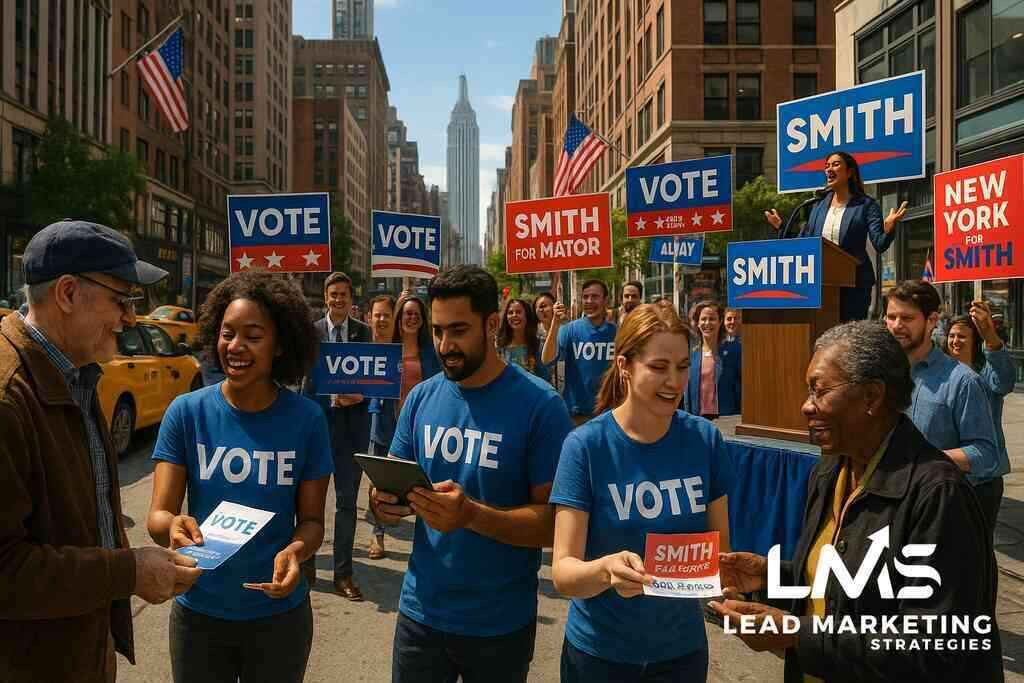
Direct community engagement remains a cornerstone of any successful political campaign. Techniques for grassroots voter engagement include rallying volunteers, hosting town halls, and using social media to facilitate open dialogue with constituents. One-on-one interactions – whether in person or virtual – allow candidates to address individual voter concerns and establish genuine trust. Community engagement humanizes campaigns, creates a sense of inclusivity, and encourages greater voter turnout.
Need Help With Your Marketing?
Our team can help you implement these strategies. Get a free consultation.
Grassroots Strategies for Building Momentum
Grassroots strategies build momentum by empowering supporters to become campaign advocates. Mobilizing volunteers for door-to-door canvassing, phone banking, and local events builds awareness and enthusiasm. Encouraging supporters to share personal experiences and endorsements extends campaign reach and adds authenticity. Social media can be used to organize virtual events and discussions, broadening engagement and sustaining momentum throughout the election cycle.
Creating Lasting Connections with Voters
Building enduring connections requires consistently reinforcing campaign messages that align with voter values and priorities. Sustained dialogue through social media, newsletters, and community events fosters a sense of belonging among voters, making them feel like active participants in the campaign’s success. Personalized communication that acknowledges individual contributions and addresses voter concerns strengthens loyalty and encourages continued involvement. By fostering these lasting connections, campaigns transform voters into ambassadors, building relationships that extend beyond election day and support future political efforts.
5 – Financial Fortitude: Strategies for Campaign Fundraising
Innovative Fundraising Approaches
Campaigns build financial strength by employing innovative fundraising tactics that combine technology with community involvement. Exploring diverse revenue streams – including online donations, merchandise sales, and virtual events – broadens financial support. Crowdfunding campaigns and mobile donation platforms engage grassroots donors and amplify contributions from a wide range of supporters. Pairing traditional fundraising events with digital efforts extends reach and ensures financial resilience throughout the campaign.
Leveraging Political Influencer Partnerships
Partnering with political influencers significantly expands a campaign’s ability to reach diverse and engaged audiences. Influencers bring credibility and advocacy, lending their voice to reinforce campaign messages and increase visibility. Effective strategies involve collaborating with local figures, social media personalities, and community leaders who connect with target demographics. These political influencer partnerships draw on the power of trusted voices to drive voter engagement and support.
Maximizing Campaign Resources Effectively
Maximizing resources requires campaigns to strategically allocate funds toward high-impact initiatives. This means assessing campaign goals, prioritizing key activities, and continuously evaluating spending against outcomes. Investing in digital marketing services, social media efforts, and targeted advertising stretches limited budgets by reaching large audiences efficiently. Disciplined resource management keeps campaigns financially viable and impactful throughout the election cycle.
6 – Navigating the Digital Frontier: Utilizing Advanced Campaign Tools
Exploring Digital Campaigning Tools
Modern campaigns rely on advanced digital campaigning tools to improve efficiency and expand outreach. Software platforms for voter contact management, social media scheduling, and data analytics streamline overall campaign operations. Apps designed for event management, grassroots organization, and volunteer coordination simplify communication and encourage active participation. Adopting these tools keeps campaigns well-coordinated and positioned for success in a digital-first environment.
Integrating Political SEO Tactics
Applying search engine optimization tactics to a political campaign boosts online visibility and helps candidates reach their audiences organically. By optimizing websites and content for search engines, campaigns improve discoverability and drive sustained traffic and engagement. SEO integration involves keyword research, enhancing website functionality, and producing relevant content that aligns with voter search intent. Thoughtful optimization increases a campaign’s accessibility and maximizes exposure across search platforms.
Managing Campaigns with Innovative Apps
Streamlined campaign management through the Lead Marketing Strategies mobile app for iOS improves team collaboration and operational efficiency. Apps provide real-time updates, seamless communication channels, and project tracking tools that keep campaigns organized and informed. Features like live chat and task management foster transparency and responsiveness, strengthening relationships with both team members and constituents. These tools empower campaigns to operate with agility and precision across every stage of the election cycle.
“Very great team – professional and experts. Lead Marketing Strategies exceeded expectations! Their expertise and creativity drove real growth. The team’s dedication and tailored approach impressed me. Results were measurable and impactful. Highly recommend for effective marketing solutions.”- Janooni17, a 5 star review from Lead Mktg on the App Store
The Path Forward: Concluding Thoughts on Political Campaigns in New York
Adapting to the Evolving Political Landscape
Successfully operating within New York’s political arena demands adaptability and a commitment to ongoing learning. Updating strategies to reflect emerging trends and technologies is essential for keeping campaigns relevant. As New York’s demographics and key issues continue to shift, candidates must continuously refine their approaches to ensure their messaging and outreach remain effective. Embracing innovation and flexibility strengthens campaign performance in a fast-paced political environment.
Future Trends in Political Marketing
The future of political marketing will place increasing emphasis on digital innovation, data analytics, and personalization. As technology advances, campaigns will use more sophisticated tools and platforms to deepen voter engagement and sharpen outreach efforts. Personalized content and AI-driven insights will become central elements, improving campaign efficiency and accuracy. These developments will continue transforming how candidates connect with voters and manage their campaigns. For a closer look at where political messaging is heading, see what AI political messaging means for campaigns.
Final Reflections on Campaigning Success
Campaign success depends on comprehensive strategy, targeted outreach, and authentic voter connections. By embracing New York’s diversity and drawing on local insights, campaigns can craft communication approaches that genuinely resonate with constituents. The strategies covered throughout this article provide a solid foundation for any campaign seeking sustained impact and meaningful voter engagement.
Political marketing in New York offers the chance to combine creativity, innovation, and community connection to achieve real electoral results. For campaigns ready to pursue that opportunity, partnering with an experienced agency like Lead Marketing Strategies can unify and amplify digital efforts, turning strategic plans into measurable outcomes. Contact Lead Marketing Strategies to find out how we can help your campaign succeed in an ever-changing political landscape.
Frequently Asked Questions
Question: How does Lead Marketing Strategies utilize digital campaigning tools for political marketing in New York campaigns 2026?
Answer: Lead Marketing Strategies leverages advanced digital campaigning tools to optimize outreach and efficiency in New York political campaigns. By implementing voter contact management software, social media scheduling tools, and data analytics platforms, we ensure that campaigns remain agile and well-coordinated. These tools facilitate streamlined communication and enhance voter engagement by providing real-time updates and insights. Our approach focuses on optimizing digital media strategy to increase visibility and voter interaction.
Question: What are the effective campaign strategies suggested by Lead Marketing Strategies for the Top 6 Political Marketing Strategies for New York Campaigns 2026?
Answer: At Lead Marketing Strategies, we recommend a multifaceted approach to political marketing in New York’s diverse landscape. Our top strategies include leveraging social media influence to connect directly with voters, developing data-driven campaign strategies to understand voter demographics, and employing grassroots mobilization techniques for community engagement. Additionally, we focus on crafting compelling political branding to establish candidate image building and integrating digital advertising platforms to reach targeted voter segments. These effective strategies ensure that campaigns are both impactful and aligned with voter needs.
Question: How does Lead Marketing Strategies support campaign fundraising strategies for political candidates?
Answer: Lead Marketing Strategies excels in developing innovative campaign fundraising strategies tailored to meet the financial goals of political candidates. We explore diverse avenues such as online donations, merchandise sales, and virtual fundraising events to broaden financial support. By incorporating digital tools like crowdfunding platforms and mobile donation setups, we enable candidates to engage grassroots donors effectively. Our comprehensive approach ensures financial resilience and campaign sustainability through strategic resource allocation and fundraising partnerships.
Question: In what ways does Lead Marketing Strategies enhance voter engagement techniques in New York political campaigns?
Answer: Engaging voters effectively is crucial in any political campaign, and Lead Marketing Strategies specializes in tailoring engagement techniques to New York’s unique political landscape. We promote grassroots mobilization by organizing town halls, facilitating open dialogue through social media, and empowering volunteers for direct community interactions. Our targeted voter outreach strategies are data-driven, ensuring that messaging resonates with distinct voter segments. By building lasting connections with voters, campaigns foster trust and support that extend beyond election day.
Question: How does Lead Marketing Strategies apply political branding in election campaign management?
Answer: Political branding is a cornerstone of effective election campaign management at Lead Marketing Strategies. We focus on building authentic candidate images that resonate with voters by highlighting personal and professional attributes that align with voter values. Our political branding efforts are supported by the strategic use of digital and traditional media, ensuring comprehensive voter outreach. We develop consistent political content marketing strategies that humanize candidates, boost trust, and secure broad-based support. This cohesive approach to branding strengthens the candidate’s public persona and overall campaign success.
Let Us Help You Implement These Strategies
Stop struggling alone. Our expert team has helped hundreds of businesses achieve their marketing goals. Get your free consultation today.